

-

Setting up your life in the UK
Manchester
Watch: Our students share what they know and love about Manchester
Text: Manchester has a very compact layout, so it's really easy to explore on foot - just make sure you have some comfy footwear and maps on your phone.
This interactive map below includes many of the key sites in Manchester, including the stations, entertainment venues and shops.
You can click on the icons to find out what they are and visit the websites if you wish. You can also use the map to explore other sites in Manchester yourself.
Food
Watch: Our students talk about finding food from home.

One of my favourite things to do when I moved here was explore the Manchester food scene, the range of options is brilliant and it's a great way to become familiar with the city.
This self study pack has been created by some of our fellow university students on where to shop for South Asian food. However, it has great information about supermarkets, where to buy spices and lots of other information that is useful to all our international students! Please note that while this pack says it takes up to 10 hours to complete, it's also something you can dip in and out of to get useful tips, information and ideas.
Shopping
There are many shops in Manchester and the prices of them can vary quite a lot depending on where you go, so its worth exploring the shops you have nearby and comparing some prices. The biggest shopping centre in Manchester is The Arndale Centre which offers some budget friendly stores as well as some more high end, expensive ones. Right by The Arndale you will also find The Northern Quarter which also contains a lot of shops especially small businesses so its also worth having a look around to see what you can find!

Primark and thrift shops are great options for inexpensive items. For groceries, Aldi and Lidl provide quality food at low prices. Additionally, if you want any fresh food and local specialties the Arndale Market is the perfect place to go!
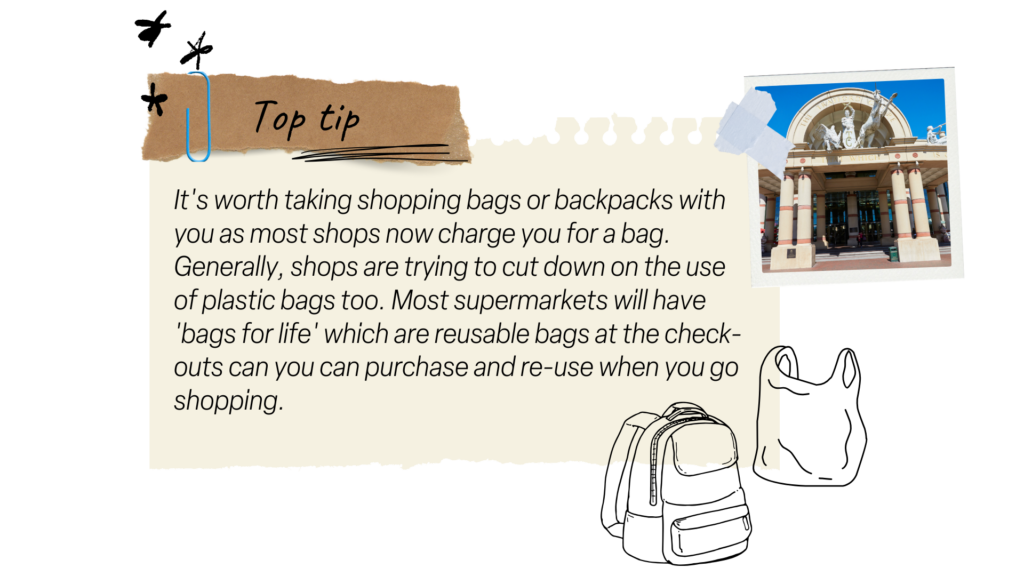
You can also go the Trafford Centre which is HUGE and has both shops and entertainment. If you google it, you’ll see there are lots of public transport options to get there. It’s fun day out too!
Healthcare
Watch: Our students share important information around healthcare and emergency contacts
Text: Make sure to register for the doctor and dentist as soon as you can. It may not be your top priority while you're feeling fine but you will be happy you did if you ever need their services!
The following link covers; registering with local GP and Dentist, key phone numbers, local hospitals, ‘walk in’ centres, sexual health, wellbeing and pregnancy.

The following link covers registering and costs

Staying Safe and Emergency Support
In emergencies, call 999 for police, ambulance, or fire services, or 101 for non-urgent police assistance.
Text: Manchester is generally safe, but like any big city, it's smart to stay aware-stick to well-lit areas at night, keep your belongings secure, and don't hesitate to ask for help if you feel unsure.
Other crisis and out of hours support:-
For in-person urgent medical care, go to the Accident and Emergency Department at your local hospital. The nearest to Manchester Met is the Manchester Royal Infirmary 0161 276 4147
-
Great Manchester NHS Mental Health Helpline is available 24/7 on 0800 9530285
-
You can contact your GP (Doctor) to request an urgent appointment or call NHS 111
-
You can call Samaritans 116 123 (free to call, 24 hours a day, 365 days a year) who provide free, confidential, and non-judgemental emotional support to anyone is struggling to cope or in distress.
- SHOUT provides text-based crisis support. Text SHOUT to 85258
Time
Daylight Saving Time (DST)
Twice a year the time changes. This means there is more daylight during waking hours. It’s worth checking if your phone has the automatic time change settings on, but remember wall clocks and oven timer may need to be manually changed too.
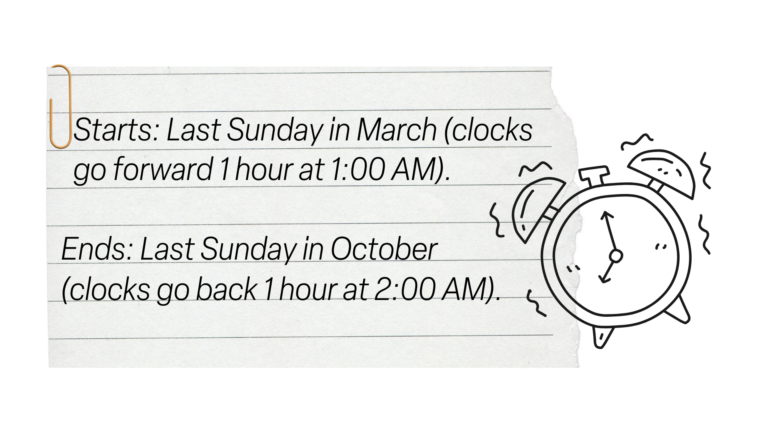
Daylight Hours
Summer: Longer daylight in the evenings, shorter in the mornings.
Winter: Shorter daylight hours overall, with more light in the mornings.The Summers feel lovely, they light means that you can enjoy late evenings and beautiful sunsets. The Winter days can feel quite long if you are not used to them and you might find yourself starting and finishing your classes in the dark. If you can find time to get out into the daylight in the middle of the day, it really helps!
Students mustMark as done -
-

Getting around Manchester
Travel and transport information
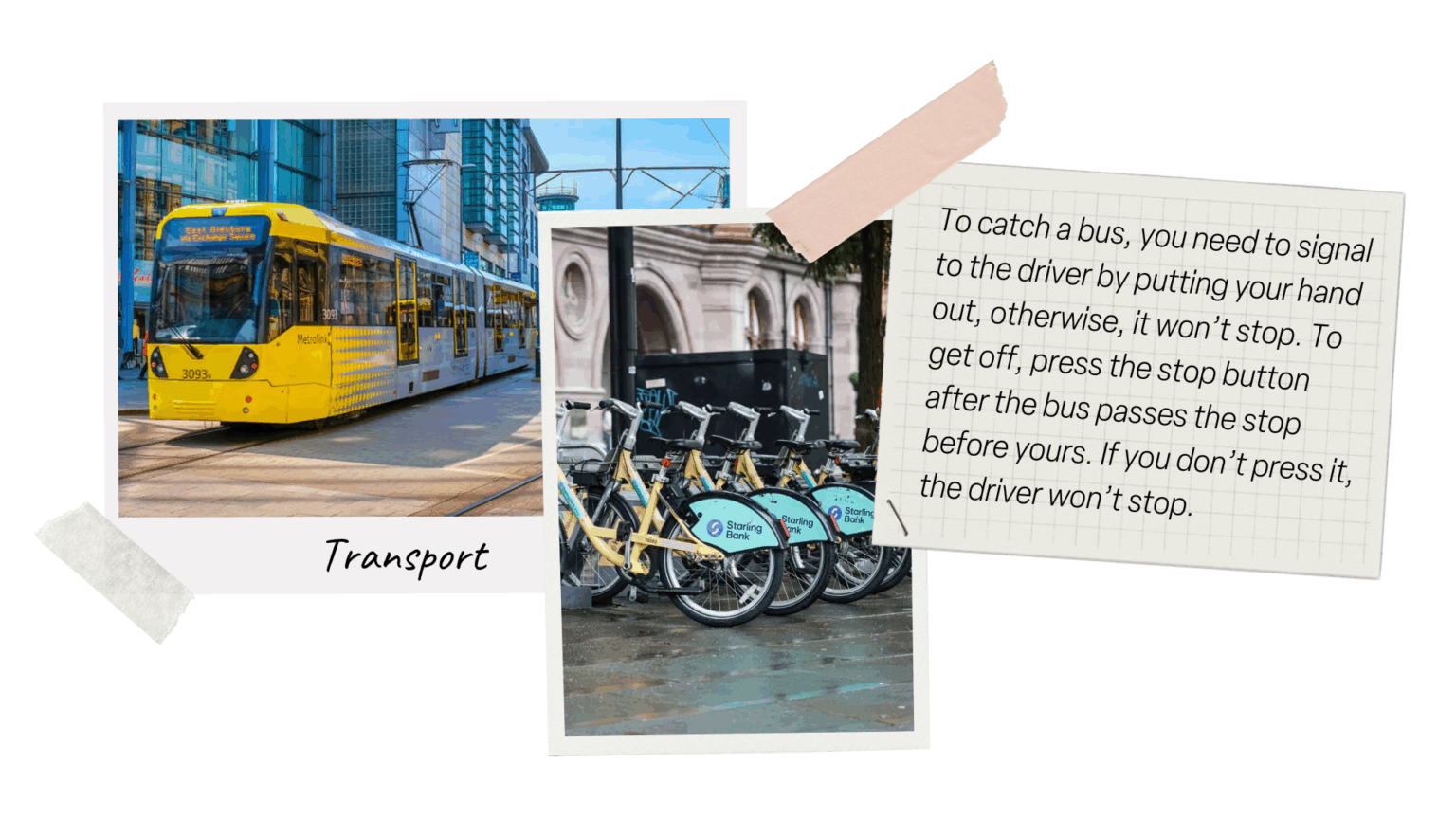
Text: To catch a bus, you need to signal to the driver by putting your hand out, otherwise, it won't stop. To get off, press the stop button after the bus passes the stop before yours. If you don't press it, the driver won't stop.
Watch: Our students share their experience of using transport in Manchester.
Travelling is a big part of student life in Manchester, and there are several ways to get around the city. The Bee Network is an integrated transport system in Greater Manchester, managed by Transport for Greater Manchester (TfGM). It makes travelling easier by connecting buses, trams, trains, cycling, and walking routes into one smooth system. It can feel a little overwhelming at first, so here’s some information and helpful tips to help you travel with confidence.
Trains
Trains require you to buy a ticket before travel, either online or at the station. Ticket types vary depending on travel times and flexibility (see section) for details). Some stations have barriers you must pass through before boarding by scanning your ticket (paper or electronic QR code).
Check you’re on the right platform and train. The Trainline app is useful for buying tickets and checking live updates.
Buses
Buses accept contactless payments and offer various ticket options, including single, return, and day passes. You can also use the mobile app for purchasing tickets.
Trams
The tram system offers single, return, and day tickets. You can buy tickets at tram stops or use contactless cards or mobile payment options like Apple Pay, Google Pay, and Samsung Pay.
If you have a pre-paid ticket, you can board directly. Otherwise, use the “tap on, tap off” system at the station or buy a ticket from the machines. Remember to tap off at your destination with the same card you used to tap on. If a ticket inspector checks, show the card you paid with. The more zones you travel through, the more it costs, so a pre-paid ticket might be cheaper if you travel often.
Travelcards
A System One Travelcard gives unlimited travel on any bus, or combinations of bus, train and tram all over Greater Manchester. Available for 1, 7 and 28 days with an annual option also available.
Click the link to visit the Bee Network website and plan a journey.

You can also find some additional transport information on the Manchester Met website.

Travel habits
- Punctuality: Public transport generally runs on time, so it’s important to be punctual.
- Queueing: It’s customary to queue at bus stops and tram stations.
- Politeness: Be courteous to fellow passengers and offer seats to those who need them, such as elderly or disabled individuals.
- Safety: Keep an eye on your belongings, especially in crowded areas.

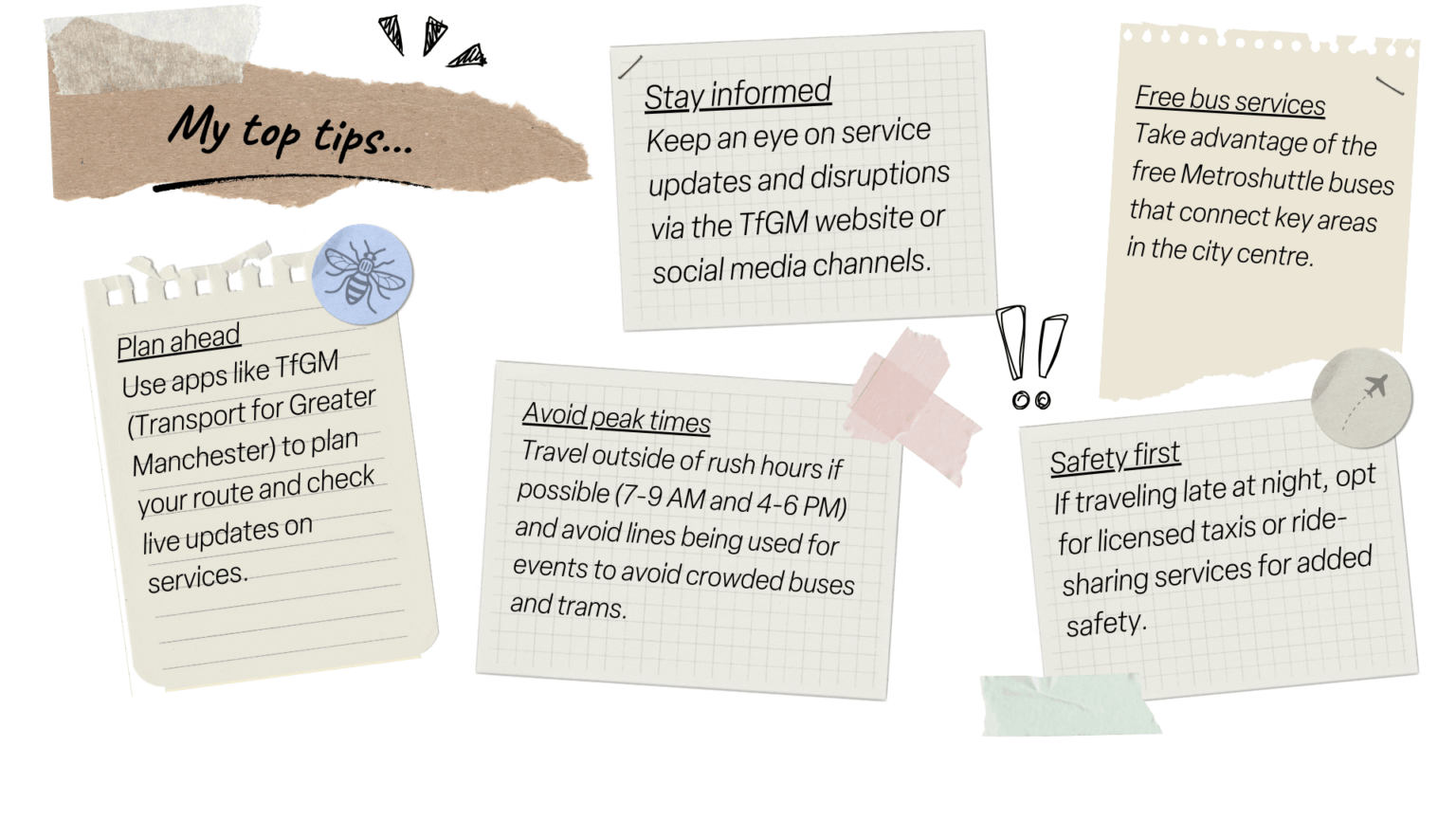
Text: My top tips... Stay informed - Keep an eye on service updates and disruptions via the TfGM website or social media channels. Free bus services - Take advantage of the free Metroshuttle buses that connect key areas in the city centre. Plan ahead - Use apps like TfGM (Transport for Greater Manchester) to plan your route and check live updates on services. Avoid peak times - Travel outside of rush hours if possible (7-9 AM and 4-6 PM) and avoid lines being used for events to avoid crowded buses and trams. Safety first - If travelling late at night, opt for licensed taxis or ride-sharing services for added safety.
Surrounding areas of Manchester
The UK is a beautiful country with lots to explore from big cities to rolling countryside. While in the UK, many students visit places outside of Manchester. There is lots to see and do from just outside of Manchester to other parts of the country. Train, bus and tram networks make visiting other parts of the UK easy.
Watch: Our students share their favourite places to visit around the UK.The areas surrounding Manchester offer plenty of opportunities to explore, find new experiences, and enjoy your time outside of university. Click the icons below to learn more about some key places which are all easily accessible via public transport.
 Students mustMark as done
 -

All things money related
Proving you are a student
Starting life in the UK will include needing to get yourself organised with bank accounts, a phone and if you have not already done so, arranging accommodation. Often you may be asked to give proof that you are a student at Manchester Met. You can request a confirmation of enrolment using the link below when it is requested by a bank or for council tax exemption. (More details on these below!)
If you need to request a confirmation of enrolment letter, you can use the following link to submit your request. Click the ‘Create new letter request’ button.

Accounts & bills
Watch: Our students give advice on Living on a Budget
Bank accounts
When you open a bank account in the UK, you’ll receive a bank card and access to a bank’s mobile app. Your bank card can be used for everyday transactions like shopping, withdrawing cash from ATMs, and making online purchases.
To use the mobile app, download it from your bank’s website or app store, then log in with your account details. The app lets you check your balance, transfer money, pay bills, and manage your finances on the go. It’s a convenient way to keep track of your spending and stay on top of your finances while studying at Manchester Met.
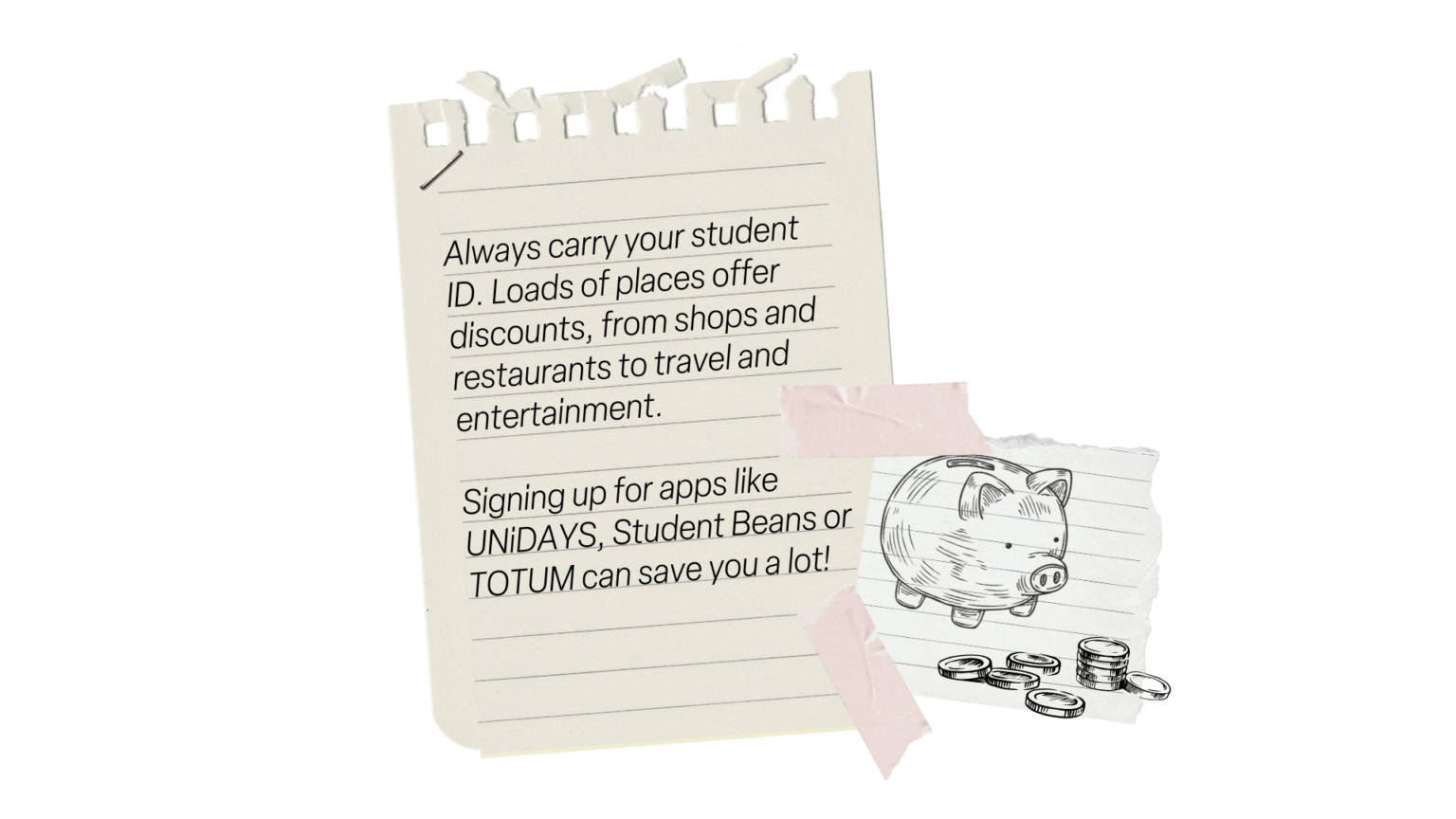
Text: Always carry your student ID. Loads of places offer discount, from shops and restaurants to travel and entertainment. Signing up for apps like UNiDAYS, Student Beans or TOTUM can save you a lot!
Additional information can also be found on the Manchester Met website via this link.

Paying Bills
If you have accommodation with the university, then ignore this section as all of your bills will included in the cost of your rent.
As a student, unless you chose an accommodation that explicitly states that bills are included, you will have to pay bills. The best way to go about this is by dividing up the responsibility of bills between the people that you live with. (However, if you are planning to live with a lot of people, it will definitely be easier to choose a place that includes the bills within the price.)
Splitting the bills between everyone not only gives everyone equal responsibility over the household but it also provides everyone with proof of address which is needed for a lot of things that you will be setting up during your stay in Manchester and the UK. This is really important – so make sure at least one bill is in your name.
Text: It is always a good idea to make sure that everyone's name appears on a bill. That way, they can be used to prove where you live.
Some of the bills that you will have to keep in mind are below. Click on each to reveal more information:
Internet
There are many internet providers to choose from in the UK all with different packages available at different price ranges, we would recommend that you do some research on this to pick the best provider and price for you and the people you are living with. However, not all providers will provide internet in your area once you have chosen one that you want to go with you will have to input your address and the provider will tell you whether or not they can provide internet for you.
Some tips for setting up internet:
-Different plans will have different speeds of internet that they provide, we would recommend researching how much you would need to suit your houses needs e.g: if 3 people were living at the house and all of them consume internet at a high rate with some gaming or even working from home we would recommend searching "What is the best internet speed for 3 people that use a lot of internet " and then you can decide what to go for based on that information and also your price range
-To save money it it best to go with an annual plan or a 24 month plan these are usually the cheapest per month, you can also take your router with you to a new house if you move as long as the provider still provides internet there this is especially useful if you have a 24 month plan and your house contract is only 12 months. This is an easy process and all you have to do is put in a change address request with your provider which will be on their website.
-Once you know who you want to go with set it up as soon as possible to avoid not having internet for long periods, you can usually choose what day you receive your router so make sure that this is a day after you have moved in and one where you are available to collect the package.
-Most houses will already have internet ports set up in the house so an engineer will not have to come round in these cases, you just set up your internet with the instructions provided and as soon as you activate it with the provider it will work.
Water
The water bill is one of the easiest bills to set up. In the UK each region has one water provider that everyone will use, for the North West which is where Manchester is located, this is United Utilities. To open an account with United Utilities you just need to go on their site and set it up. You will either pay a fixed amount if you don't have a water meter or you will pay a value that changes monthly if you have a meter. Your landlord or agent will tell you if you have a meter and if you do they should tell you how you can access the readings.
If for any reason you have an emergency with you water you should check out this page on the United Utility website. You should also know where your main water tap is in case there is an emergency and you need to shut off the water immediately, if you cant locate it by yourself contact your landlord or agency as they should know where this is.
Electricity
Setting up your electricity is also easy, unlike your water bill your electricity bill has many providers that you can chose from. This allows you to see which one is providing the lowest price for you and which one provides the benefits that you want. To set up your electricity account you will need to contact the provider and give them a meter reading, your landlord or agent should tell you how to get this reading. After this everything is set up, if you have a smart meter you will not have to give a reading every month - your provider will be able to tell you if you have a smart meter or not. If you don't have a smart meter you give them a reading every month and then your bill will be calculated.
Council Tax
Although as a student you do not need to pay council tax if you are private renting you are not automatically exempt from it and need to submit your excemption with your local council. You can find where to do this below follow the intructions and once you are excempt you will not have to pay any council tax.
NOTE: Everyone in the house will have to be a student for the whole house to be exempt from paying council tax. However, if more than one person is not a student you will not be able to receive any reduction on council tax for the whole house unless you have any of the other conditions that qualify you (if there is only one person that is not a student they can still receive a single person discount on the council tax). In this case as a student you are still exempt from paying the council will not hold you accountable for the bill, but it is up to you and your housemates how you choose to divide the bill and whether you will be included in paying the bill.
Gas
The gas bill will not apply to everyone, most apartments in Manchester only have electricity. However, if you are in a place that has gas the easiest way to set this up is to see if your electricity provider also does gas. Most of them will do this so it is worth looking for it or make sure that whatever provider you chose has both. However, if you want them separate there are also providers that just do gas so it is worth researching for who does the lowest prices in your area. To set up gas you will once again have to provide a meter reading, if you don't know how to get this you can ask your agent or landlord. Safety with gas is very important so if you ever suspect a leak or an emergency you can contact the National Gas Emergency Service 24 hours a day on 0800 111 999>
Cost of living
Moving to a different country is a big adjustment including exchanging currency. We know that as students budgeting can be hard to do so we have provided some tips by other students on how you can make your money last longer or how you can decrease on some expenses.
Watch: Cost of living and an international student at Manchester MetGeneral Cost Overview
Bellow you will find a general cost overview of what you will need to pay for during your stay in Manchester and the UK. This is just a general list and not everyone will have the same expenses so keep this in mind while reading the information.
Click on the sections to reveal more information:
Accommodation
Within your accommodation budget, you will need to consider your rent, this will vary depending on the location of your accommodation and type (shared, private, university halls).
As well as this, you will need to pay for your utilities: internet, electricity, water, and gas.
Food
The main part of your food budget will be your groceries. There are many supermarket options in Manchester that offer loyalty schemes, as well as the option to shop at butchers, bakeries and fruit & vegetable shops.
You may also wish to budget for eating out in Manchester, this would be around £15-£20 per meal at a mid-range restaurant.
Transport
To travel around Manchester and the UK, you will need to budget for public transport, including the bus, tram or train, depending on where you are travelling to.
You may also consider a bicycle, Manchester was named the European Capital of Cycling 2024 by ACES. The city is actively investing in cycling infrastructure and promoting cycling as a viable transportation option. This would be a one-time cost of £100-£300+.
Study
Whilst at University you will need to budget for books, stationary and study aids such as notebooks, calculator, pens etc.
There may also be a one time cost of a laptop and other electronic accessories.
Miscellaneous
Entertainment: Ensure that you budget for entertainment, such as student events, the theatre, cinema, going to a bar, gallery etc.
Mobile Phone: You'll need to purchase a SIM card/sign up for a contract with a UK mobile network provider, ensuring that you budget for your monthly contract or pay as you go amount.
Health insurance: As part of your application you will pay an Immigration Health Surcharge (IHS) to gain access to the NHS. The usual fee is £624. However, there is a 25 per cent discount for student visa holders - so you should expect to pay £470 per year.
Alternatively, you can choose to purchase private health insurance for a wider range of services, potentially including quicker access to specialists, private hospitals, and a broader selection of treatments.
Clothing: As you are moving to Manchester, it may be that you don't already own clothing to suit the weather. Therefore you will need to budget for shopping for clothes, shoes, an umbrella etc.
Budget Planning Tips
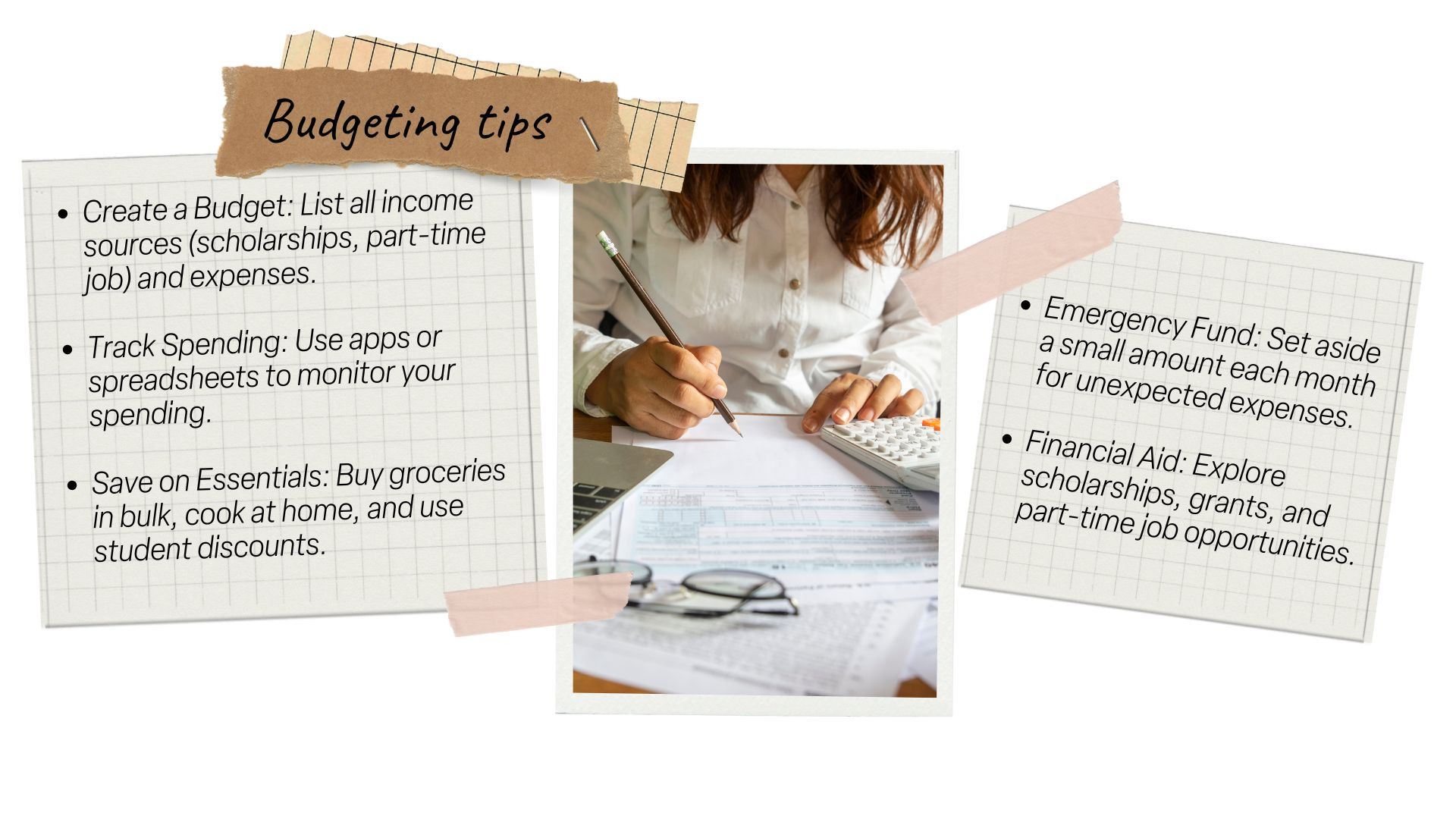
Text: Budgeting tips - Create a Budget: List all income sources (scholarships, part-time jobs) and expenses. Track Spending: Use apps or spreadsheets to monitor your spending. Save on Essentials: Buy groceries in bulk, cook at home, and use student discounts. Emergency Fund: Set aside a small amount each month for unexpected expenses. Financial Aid: Explore scholarships, grants, and part-time job opportunities.
By understanding different costs and planning your budget, we have found you can manage your finances effectively while studying in the UK - ensuring that you have money for both the essentials and anything else that you want to buy for yourself!
Watch: Our students share their experiences on budgeting their money
Sim cards
When you arrive in the UK, getting a SIM card and phone plan is one of the first steps for staying connected. You can purchase a SIM card from various providers at mobile shops, supermarkets, or online. Choose a plan that works for you, whether it’s pay-as-you-go or a monthly contract. Pay-as-you-go plans offer more flexibility, allowing you to top up your credit as needed, while monthly contracts often include more data and benefits.
Most plans come with data allowances for internet use, so you can browse, stream, and stay in touch with friends and family. Make sure to compare different providers to find the best deal for your usage, the main providers are listed below.

EE O2 Three Vodafone Known for its extensive coverage, EE offers a wide range of plans and is often praised for its fast 4G and 5G networks Offers various plans and perks, including access to O2 Priority, which provides early access to tickets and special offers Known for its competitive pricing and unlimited data plans, Three is a popular choice among students Offers a variety of plans and additional benefits like entertainment packages with Spotify, YouTube Premium, and Amazon Prime Video National Insurance Number (NIN)
Information about applying for a national insurance number can be found on the GOV.UK website via this link.

Council Tax
Information and frequently asked questions about council tax are covered in the following link.

Working in the UK
Balancing work and study as a university student can be challenging, but it’s definitely achievable with good time management and prioritisation. Having your CV ready helps. The careers service mentioned in the section above offers amazing support.
Watch: Our students share their experiences of working in the UK
Below are some tips on how you can both work and study while maintaining a good balance at university.
Remember, as an international student that it is vital that you only work the number of hours each week that your visa allows.
Time Management: Use a planner to schedule classes, work, and study time. Prioritise tasks either based on deadline or based on how important they are. You can also get some easier tasks done during those times where you are mentally or physically too tired to do something complex.
Set Goals: Break down coursework into your own mini deadlines to keep up with workload. Set yourself realistic work hours or revision hours and don’t try to get everything done at once.
Effective Study: Engage actively with the material that you are given and join study groups with your friends or other people from your course that can help you understand the material. Some lectures even offer drop in sessions so take advantage of this if you need more help.
Self-Care: Maintain a healthy lifestyle this can mean getting enough sleep, engaging with hobbies. going for walks, exercising, socialising whatever it is that helps you relax and helps you feel good. Make sure that you are also taking breaks throughout the day.
Seek Support: Use the university resources and support teams if you feel like you need some extra help in a specific area e.g. mental health or disability, you can also contact your lecturers or unit leaders for extra help as that is why they are there. You should also connect with peers and build your support network while at university.
Flexibility: Be adaptable and communicate you needs with professors and employers, if you don’t think you can do something by a certain time talk to someone don’t just suffer and try to power through.
The following link will cover working in the UK, including eligibility, restrictions, how to find work and what the minimum wage is here in the UK

-

Watch: Introduction into Settling into Manchester.