





Introduce
The Equality Act 2010 is law that brings together anti-discrimination policy. It provides legal protection from discrimination in specific settings and in wider society. The Act focuses on ‘protected’ characteristics.
Protected characteristics
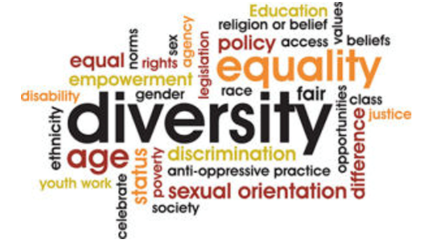
- age;
- disability;
- gender;
- marriage and civil partnership;
- pregnancy and maternity;
- race;
- religion or belief;
- sex;
- sexual orientation.
How does this work in practice?
Example: Education
Disabled children must not be treated less favourably than other children in relation to:
- admissions and exclusions
- education and associated services including:
- the curriculum
- teaching and learning
- the serving of meals
- activities including sports and trips
Develop
Watch this video by the Equality and Human Rights Commission for an overview of the Equality Act 2010.
Reflect
- ‘You’re disabled under the Equality Act 2010 if you have a physical or mental impairment that has a ‘substantial’ and ‘long-term’ negative effect on your ability to do normal daily activities.’
- Physical or mental impairment includes sensory impairments and hidden impairments. In the Equality Act, ‘substantial’ means more than minor or trivial and ‘long-term’ means a year or more
Source: Guidance on the Equality Act, 2010
Let’s interrogate this definition:
- Think back to the social model. What does ‘normal’ mean? Might this be an issue?
- Think of the ages of the children you are working with. How might timeframes like ‘a year’ present difficulties?